
This seasonal, interactive tour will re-open to the public June 2024. The Shrimping Eco Tour is also available year-round on a charter basis for field trips & groups
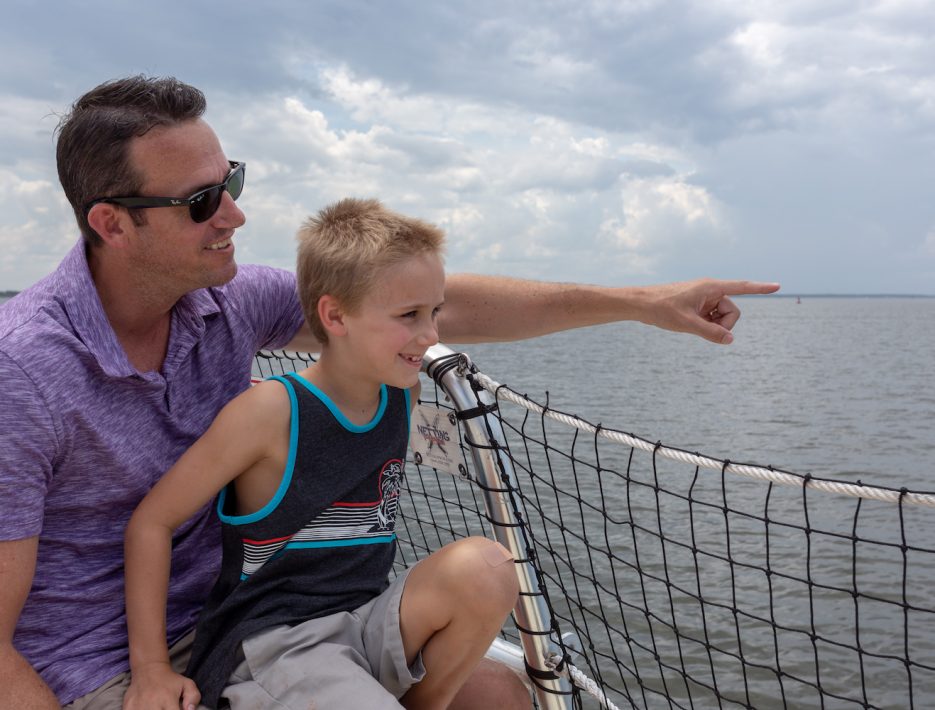
 Deploying and retrieving the shrimp net, identifying the catch, and then releasing the catch back into the wild is just part of this interactive cruise, our Shrimping Eco Tour.
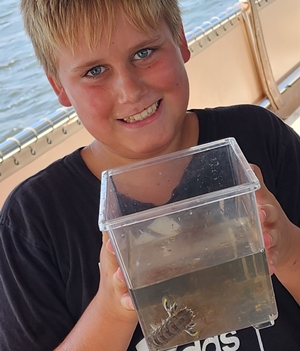 Deploying and retrieving the shrimp net, identifying the catch, and then releasing the catch back into the wild is just part of this interactive cruise, our Shrimping Eco Tour.
 Shrimping Eco Tour
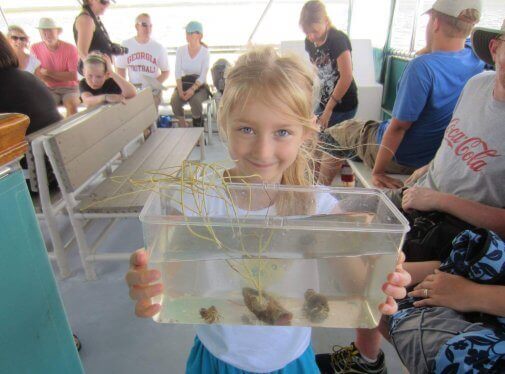
Join us in the summer for this hands-on encounter where you will help us deploy an otter trawl net, retrieve it, then learn all about your catch in aquariums while our onboard marine biologist helps you identify your treasures.
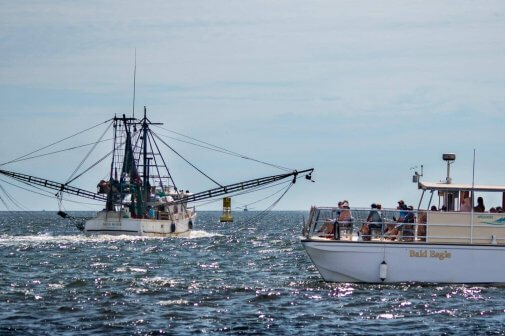
Known as the “Birthplace of the Modern Shrimping Industry,” dive into the heritage of Fernandina Beach, and experience the operation of the “shrimp” net, just like the ones that were historically developed here to catch the tasty crustacean known as the Atlantic white shrimp or litopenaeus setiferus.
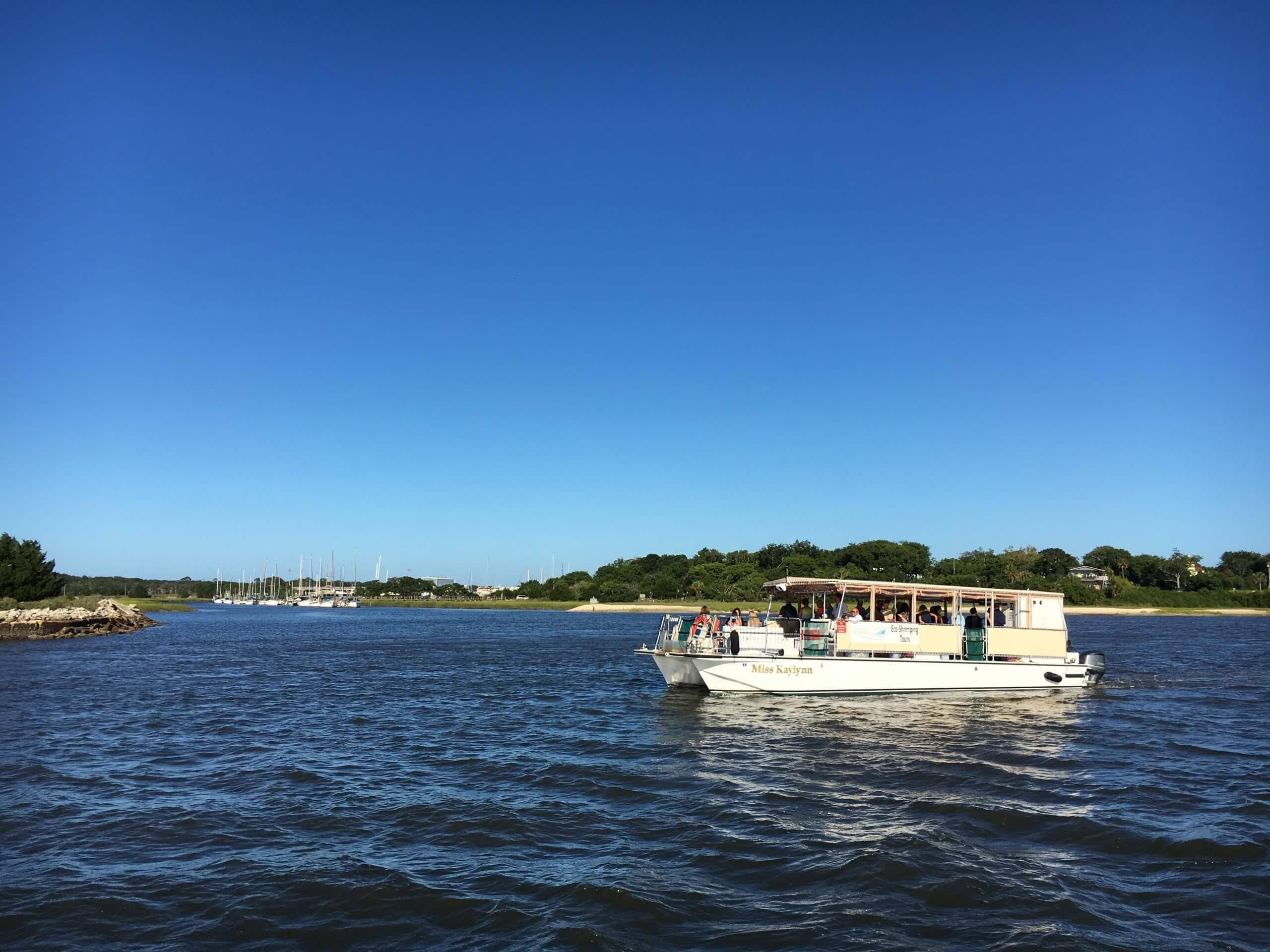
After we safely release our catch back into the wild, we will cruise the enchanting backwaters and tidal creeks that form this estuary as we look for the abundance of wildlife that calls this haven home.
Our Location
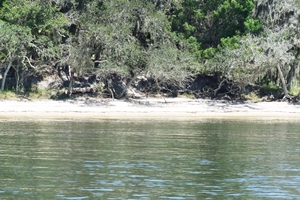 Amelia Island, surrounded by untamed wilderness, is a nature lover’s paradise. To the south lies the Timucuan Ecological Preserve, encompassing Big Talbot, Little Talbot, and Fort George. To the north, you’ll find Fort Clinch State Park and in Georgia, the Cumberland Island National Seashore. Towards the west, the captivating Tiger Islands and Tiger Basin await, many of which are part of the Fort Clinch Aquatic Preserve, a mesmerizing backdrop for our Shrimping Eco Tour.
The backwaters and tidal creeks of this estuary also connect Tiger Basin to the Okefenokee Swamp through the St. Mary’s River Basin. The vital oyster beds, mud flats, and vast expanses of marsh grass in Tiger Basin play a critical role in our local environment. These salt marshes are among the most productive ecosystems on earth, acting as a nursery for native sea creatures and offering a bountiful food source for others. During the summer months, these waters teem with life, presenting a thriving spectacle of nature’s wonders.
Our Ecosystem
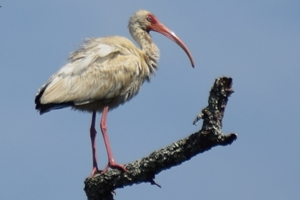 The captivating display of life intensifies in these waters. Local dolphins give birth, and as the winter’s waters warm, manatees migrate from central Florida springs into the saltwater to mate and give birth. Sea turtles visit and nest on our sandy shores, while a myriad of shore birds elegantly wade and feed along the coastline. Egrets, herons, spoonbills, ospreys, and various other species form an integral part of this pristine wilderness.
At Amelia River Cruises, we take pride in our deep understanding of this critical habitat and its delicate balance. By sharing our knowledge with our cherished visitors, we aim to protect and sustain the incredible diversity that thrives in this captivating corner of our world.
Reservations for this unforgettable Shrimping Eco Tour are highly recommended to secure your place in this immersive and educational experience.
Reservations are recommended
Other Cruises
The first four of our 12 new Tapas & Tasting Tour Series are now listed on our Tapas & Tasting Tours page!
 Introducing our Tapas & Tasting Tour Cruises – Make memories on the water as the air is infused with anticipation for our new and enchanting Tapas & Tasting Tour Cruises. Join us for a themed evening of exquisite food and drink pairings that have been meticulously curated by the area’s top chefs. Our boat glides along the riverways as you witness the magical views of the salt marshes, maritime forests, and wilderness beaches.
Enjoy live music, the antics of playful dolphins, and the majestic presence of wild horses. Watch the sun descend behind the horizon as a golden glow is cast upon the water.
These are our other tours:
| Cruise | Departing | |
|---|---|---|
| Cumberland Island Tour | Departs daily at 10:00 AM for 2 1/2 hours. | |
| Cumberland Coastal Tour | Departs daily at 2:00 PM for 1 1/2 hours. | |
| Cumberland Sound Sunset Tours | One-hour daily, but times change with the sunsets | |
| Adult Twilight BYOB Cruises | Friday & Saturday Evenings (Thursdays, too, in the summer!) | |
| Tapas & Tasting Tours | Select themes and days April – September | Two-hour cruises, departures change with the sunsets |
| Specialty and FUN-draising Tours | Select days – year ’round | Times change with the sunsets |